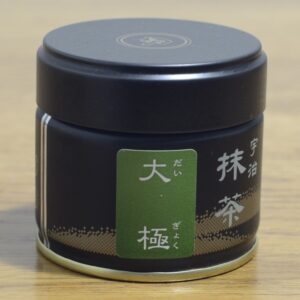
First harvest matcha is matcha made from tea leaves harvested during the first picking season of the year.
In Japan, the first tea harvest is known as ichibancha, meaning “first tea.” You may also see terms such as first flush or first picking used to describe tea from this early harvest.
After the tea plants have rested through winter, new growth appears in spring and is harvested for ichibancha.
First harvest is highly valued in Japanese tea production and is commonly associated with matcha intended for drinking with water. But first harvest alone does not tell you whether a matcha will be good, or whether you’ll enjoy it.
Cultivar, cultivation, shading, processing, blending, storage and the skill of the producer all matter too.
What Is First Flush Matcha?
“First flush” and “first harvest” are commonly used to describe the first picking of the growing season.
For Japanese tea, ichibancha is the more useful term to understand.
“Ichiban” means first and “cha” means tea.
Ichibancha therefore refers to tea produced from the year’s first harvest.
Exactly when this happens depends on the growing region, weather and producer rather than occurring on one fixed date across Japan.
Why Is First Harvest Matcha Special?
Tea plants go through a period of slower growth during the colder months before producing new growth in spring.
Those first leaves are highly valued by Japanese tea producers and can be used to produce matcha with desirable sweetness, umami, aroma and texture.
However, there isn’t one flavour that all first harvest matcha must have.
One first harvest matcha might be creamy and rich in umami. Another might be brighter, more vegetal or have more noticeable bitterness and astringency.
That’s why first harvest should be treated as information about when the tea was harvested, not as a guarantee of flavour or quality.
Does First Harvest Matcha Have More L-Theanine?
First harvest teas are often associated with amino acids such as L-theanine, but harvest timing isn’t the only factor that determines the composition of the finished matcha.
Shading, cultivar, cultivation, growing conditions and processing can all influence the tea.
For matcha in particular, shading before harvest is important because it changes the composition of the developing leaves and contributes to the characteristics associated with matcha.
So we wouldn’t judge a matcha’s L-theanine content simply because the package says “first harvest.”
If you need the actual amount present in a particular matcha, that requires information or testing for that specific tea.
What Does First Harvest Matcha Taste Like?
First harvest matcha is often sought after for sweetness, umami and a smoother drinking experience, particularly when prepared traditionally with water.
But those characteristics aren’t guaranteed.
Depending on the cultivar and producer, you might experience:
- Sweetness
- Savoury umami
- Creaminess
- Fresh vegetal notes
- Bitterness
- Astringency
- A lingering finish
This variation is part of what makes exploring matcha interesting.
Rather than expecting every first harvest matcha to taste the same, compare different producers and cultivars and see which characteristics you prefer.
Is First Harvest Matcha Ceremonial Grade?
Not necessarily.
First harvest tells you when the tea was harvested.
Ceremonial grade is a commercial term commonly used to describe matcha marketed for drinking rather than cooking. It is not an official regulated Japanese matcha grade.
The two terms therefore describe different things.
A producer may use first harvest tea for a matcha intended for usucha or koicha, but seeing “first harvest” on a product doesn’t automatically tell you its quality or intended preparation.
This is one reason we prefer providing information such as producer, harvest, cultivar, origin and recommended preparation rather than relying on “ceremonial grade” alone.
First Harvest vs Second Harvest Matcha
After ichibancha comes the next tea harvest, commonly known as nibancha, or “second tea.”
There can be differences between teas produced from first and later harvests, but it is too simple to say:
First harvest = good
Second harvest = bad
Quality still depends on the raw material, cultivation, processing, storage and producer.
A well-made later-harvest tea can be more enjoyable to you than a poorly made first-harvest tea.
If you’re deciding between them, read our full guide to First Harvest vs Second Harvest Matcha.
What Is Nibancha?
Nibancha refers to tea from the second harvest period.
After the first harvest, the tea plants continue growing and can be harvested again.
Later harvests can produce different flavour characteristics and are used for different types of Japanese tea products.
You may encounter nibancha matcha with stronger vegetal character or more noticeable bitterness and astringency, but again, these aren’t rules that apply to every tea.
Is Nibancha Matcha Low Quality?
No.
“Nibancha” tells you about harvest timing. It doesn’t provide a complete quality assessment.
Quality can also be influenced by:
- Cultivar
- Growing conditions
- Cultivation
- Shading
- Processing
- Grinding
- Blending
- Freshness
- Storage
- Producer skill
Harvest is one piece of information about a matcha, not the whole story.
Is First Harvest Matcha Better for Usucha?
First harvest matcha is commonly sought after for traditional preparation with water, and many matchas intended for usucha are produced using first-harvest material.
But that doesn’t mean every first-harvest matcha will make excellent usucha.
The particular tea matters more.
When shopping for matcha to drink with water, look at the producer’s recommended preparation and tasting information rather than choosing from harvest timing alone.
You can explore our First Harvest Matcha collection if you’d like to compare first-harvest teas from different producers.
Can You Use First Harvest Matcha for Lattes?
Absolutely.
First harvest doesn’t mean “water only.”
Preparing matcha with milk will change how you experience its aroma, sweetness, umami, bitterness and other characteristics. Some of the subtler flavours may become less noticeable, while other characteristics can work particularly well with milk.
You might decide that an expensive first-harvest matcha is best enjoyed as usucha.
Or you might discover that it makes your favourite latte.
Both are valid.
If milk is how you usually drink matcha, you can also explore our Matcha for Lattes collection.
Why Is First Harvest Matcha Often More Expensive?
First harvest matcha can command higher prices because first-harvest material is highly valued and there is strong demand for it.
But harvest timing is only one factor affecting price.
The producer, cultivar, growing method, origin, processing, selection of raw material, production volume and overall positioning of the tea can all affect what you eventually pay.
A higher price also doesn’t guarantee that you’ll prefer the flavour.
How to Choose First Harvest Matcha
Don’t choose matcha from the words “first harvest” alone.
Look for information that helps you understand what you’re actually buying.
Useful details can include:
Producer: Who made the matcha?
Origin: Where was the tea grown or produced?
Cultivar: Is the cultivar known?
Harvest: Is the harvest information provided?
Growing method: Is it certified organic or conventionally grown?
Recommended preparation: Is the tea recommended for usucha, koicha, lattes or several preparations?
Flavour profile: Does it sound like something you would actually enjoy?
Storage: Has the matcha been handled and stored appropriately?
These details tell you much more than a single marketing term.
How to Identify High-Quality First Harvest Matcha
There isn’t one visual test that can prove quality.
Colour can tell you something about a matcha, but bright green does not automatically mean high quality, just as a slightly different shade doesn’t automatically mean poor quality.
The same applies to texture and aroma.
Instead of relying on one characteristic, consider the whole tea: its producer, provenance, freshness, aroma, flavour, texture, storage and how it performs in the cup.
Most importantly, decide whether you actually enjoy drinking it.
Frequently Asked Questions
Is first harvest the same as first flush?
The terms are commonly used to describe the first picking of the growing season. In Japanese tea, you’ll also encounter the term ichibancha.
Is ichibancha the same as first harvest?
Ichibancha means “first tea” and refers to tea from the first harvest period of the year.
Is nibancha the same as second harvest?
Nibancha means “second tea” and refers to the second harvest period.
Is first harvest matcha always better?
No. First harvest is highly valued, but harvest timing alone doesn’t determine the quality of a matcha.
Is first harvest matcha less bitter?
It can be associated with the characteristics many drinkers seek in matcha, including sweetness and umami, but you shouldn’t assume every first-harvest matcha will have low bitterness. Cultivar, cultivation, processing and preparation all influence what you taste.
Can first harvest matcha be used for lattes?
Yes. First harvest matcha can be prepared with water or milk. Which preparation is best depends on the particular matcha and your own preference.
Does first harvest mean ceremonial grade?
No. First harvest describes harvest timing. “Ceremonial grade” is a commercial term rather than an official regulated Japanese grade.
First Harvest Is One Part of the Matcha Story
First harvest matcha is prized because it comes from the first tea harvest of the year and can produce some exceptional teas.
But first harvest should not be treated as a shortcut for quality.
The producer, cultivar, cultivation, processing, freshness and your own taste matter too.
If you want to experience the differences yourself, explore our First Harvest Matcha collection, or read First Harvest vs Second Harvest Matcha for a closer comparison between harvests.
Ultimately, the best matcha isn’t determined by one word on the package.
It’s the matcha you genuinely enjoy drinking.