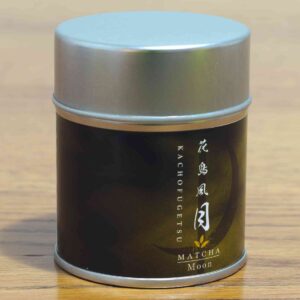
If you’re looking at Yamamasa Koyamaen for the first time, there’s a good chance you’ll end up comparing these three:
Matsukaze. Samidori. Ogurayama.
And if you’ve never tried them before, the names don’t exactly help.
Which one is sweeter? Which one has more umami? Which one should you use for a latte? Is Ogurayama actually worth paying more for?
I wanted to answer those questions a little differently.
Rather than just repeating Yamamasa Koyamaen’s descriptions, I wanted to compare what the producer says with what I actually notice in the bowl.
Because tasting notes are funny things.
Someone can tell you there’s roasted chestnut, vanilla and spring flowers in a matcha. You take a sip and think, I have absolutely no idea what they’re talking about.
That doesn’t mean either person is wrong.
So here’s how I’d look at Matsukaze, Samidori and Ogurayama, and more importantly, which one I’d choose depending on how you actually drink matcha.
Matsukaze vs Samidori vs Ogurayama: The Quick Answer
| Matcha | General character | Bitterness | How I’d use it |
|---|---|---|---|
| Matsukaze | Stronger, more direct | More noticeable | Latte, everyday drinking |
| Samidori | Softer, creamier, more umami-forward | Milder | Usucha, smaller lattes |
| Ogurayama | Richer, rounder, more refined | Lower | Usucha |
If you mostly drink matcha lattes, I’d start with Matsukaze.
If you want something that sits nicely between lattes and drinking matcha with water, I’d look at Samidori.
If you mainly drink usucha and want to experience more of what Yamamasa Koyamaen can offer, I’d choose Ogurayama.
But there’s a lot more to it than that.
Matsukaze: The Bolder One
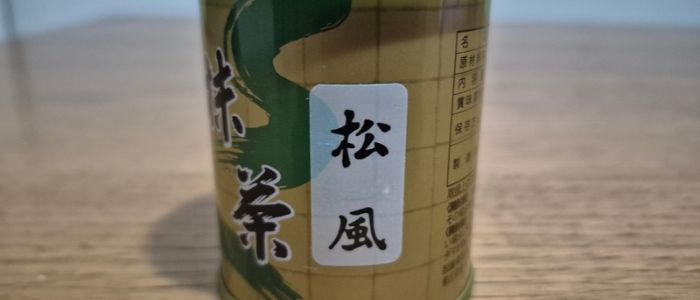
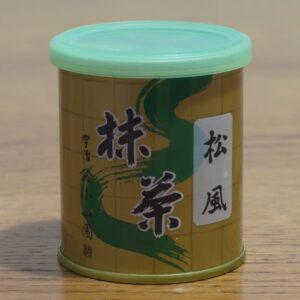
Matsukaze sits toward the more accessible end of Yamamasa Koyamaen’s matcha range.
Yamamasa describes Matsukaze as easy to drink, with bitterness and astringency kept relatively restrained. They also specifically mention its usefulness in cooking and confectionery because the matcha flavour can still be noticed.
Source:
https://yamamasa-koyamaen.com/products/matcha-matsukaze
What stands out about Matsukaze compared with the other two is its stronger personality.
The flavour can lean more towards the vegetal, nutty and slightly toasted side, with more noticeable bitterness and some astringency.
This isn’t the matcha I’d describe as super delicate.
And that’s not necessarily a bad thing.
In fact, it’s one reason Matsukaze makes sense with milk.
Is Matsukaze good for matcha lattes?
Of these three, Matsukaze would be my first choice for a latte.
Milk has a habit of making subtle matcha disappear.
You can have a beautiful matcha with delicate sweetness and layers of aroma, add a big glass of oat milk, and suddenly you’re drinking expensive green oat milk.
Matsukaze has more punch.
I’d start somewhere around:
3 to 4 g Matsukaze
30 to 40 ml water
100 ml milk
Then adjust from there.
You don’t need to use that exact recipe. It’s just a sensible place to start if you actually want the matcha to remain noticeable.
If you love your matcha lattes, here are the matchas I think that are good for it
What about Matsukaze as usucha?
Definitely try it.
Just don’t expect it to behave exactly like Ogurayama.
Prepared with water, its stronger vegetal character, bitterness and astringency are more exposed. If you enjoy that kind of matcha, you may actually prefer it.
This is where I disagree with the idea that moving higher in price automatically means moving towards something objectively “better”.
Sometimes you want the tea with more bite.
I also tried this as a latte, check it out in our more detailed Yamamasa Koyamaen Matsukaze review.
Samidori: The Middle Ground
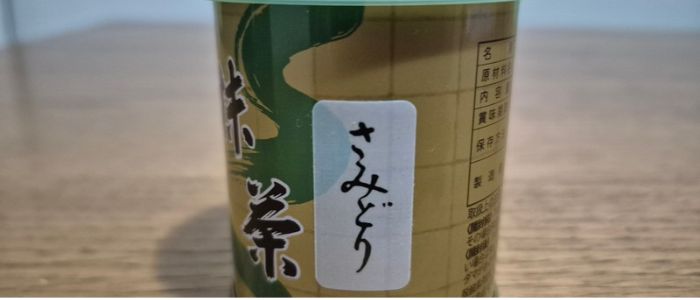
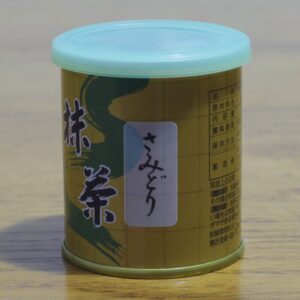
Samidori is probably the hardest of the three to explain because it sits between Matsukaze and Ogurayama.
But that’s also why it makes sense.
Yamamasa Koyamaen describes Samidori as easy to drink, with restrained bitterness and astringency.
Source:
https://yamamasa-koyamaen.com/products/matcha-samidori
Compared with Matsukaze, the character associated with Samidori is generally creamier, more umami-forward and gentler, with fresh green and slightly nutty characteristics.
The bitterness doesn’t demand as much attention.
And that makes Samidori interesting if you’re moving away from drinking matcha only with milk.
Samidori as usucha
This is how I’d want to explore Samidori first.
Something simple:
2 g matcha
60 to 70 ml water
around 75 to 80°C
No sugar.
No milk.
Nothing else.
You’re trying to figure out what the tea actually tastes like.
And don’t worry if you don’t find every tasting note someone else describes.
If somebody says “nutty” and all you taste is creamy green tea, that’s your experience.
There isn’t a secret almond hiding in the bowl that you failed to discover.
Can you use Samidori for a latte?
Absolutely.
I’d just keep the milk under control.
Try something like:
2 to 3 g Samidori
30 ml water
80 to 100 ml milk
That gives its softer character a better chance of coming through.
If your normal drink is a massive iced latte with lots of milk, sweetener and ice, I’d probably save the money and use Matsukaze.
If you like smaller matcha-forward lattes, Samidori becomes much more interesting.
Ogurayama: The One I’d Choose for Usucha
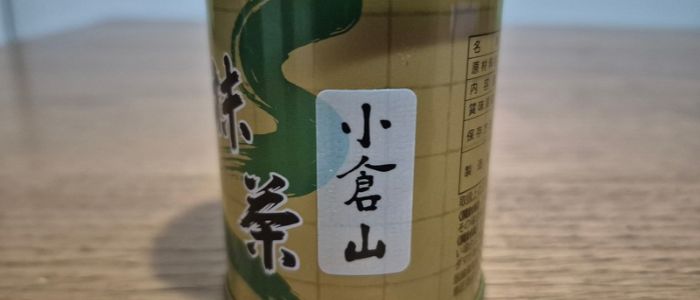
Now we get to Ogurayama.
This is where I’d start if someone told me:
“I don’t really care about lattes. I want to drink Yamamasa Koyamaen with water.”
Yamamasa describes Ogurayama as one of its representative matchas and says it is widely used for usucha. The producer highlights its rich aroma and the way its character spreads through the mouth.
Source:
https://yamamasa-koyamaen.com/products/matcha-ogurayama
Interestingly, Yamamasa also includes Ogurayama among its recommendations for people buying its matcha for the first time.
Source:
https://yamamasa-koyamaen.com/collections/beginner
So don’t look at the higher price and assume Ogurayama is some advanced matcha you’re not qualified to drink yet.
It’s tea.
Put it in a bowl and drink it.
Compared with Matsukaze, Ogurayama moves more towards a rounder, richer and creamier experience, with less emphasis on bitterness.
And this is exactly the sort of difference I’d want to compare side by side.
Make Matsukaze.
Then make Ogurayama using exactly the same amount of powder, water and temperature.
That’s much more useful than somebody simply telling you Ogurayama is “better”.
Does Ogurayama Actually Taste Better Than Matsukaze?
I don’t like answering this with a straight yes.
They’re different.
If you want something smoother and rounder for usucha, I’d take Ogurayama.
If you want something stronger to punch through milk, Matsukaze starts making a lot more sense.
That’s why price alone is such a terrible way to shop for matcha.
Imagine paying more for Ogurayama, putting it into 180 ml of strongly flavoured oat milk and then wondering why you can’t taste the difference.
You might have been happier with Matsukaze.
What About an Ogurayama Latte?
You can absolutely make one.
Nobody from Yamamasa Koyamaen is going to appear at your door and confiscate your chasen.
But I’d drink it with water first.
Actually taste what you paid for.
Then make the latte.
If I were using Ogurayama with milk, I’d also make the drink relatively small so the matcha remains the main flavour rather than becoming background decoration.
Matsukaze vs Samidori
This is probably the comparison I’d make if you’re watching your budget.
Matsukaze has the stronger character.
Samidori moves towards something softer and creamier.
For someone drinking mostly lattes:
Matsukaze.
For someone drinking mostly usucha:
Samidori.
For someone doing both:
This is where personal taste starts mattering more than my recommendation.
I’d probably start with Samidori if you’re genuinely interested in drinking matcha with water.
Samidori vs Ogurayama
This choice is more interesting.
Both make sense as usucha.
Samidori gives you a more affordable entry point.
Ogurayama takes another step towards the richer, rounder experience I’d want when the matcha itself is the whole drink.
And importantly, Yamamasa specifically calls Ogurayama one of its representative products.
If you’re buying Yamamasa Koyamaen because you want to understand what the producer is about, that makes Ogurayama particularly interesting.
Matsukaze vs Ogurayama
This is the easiest comparison.
Mostly lattes? Matsukaze.
Mostly usucha? Ogurayama.
That’s obviously simplified, but if somebody standing in front of me wanted an answer in five seconds, that’s what I’d tell them.
The interesting part comes when you actually taste them side by side.
Matsukaze’s stronger character may be exactly what you want.
Ogurayama’s smoother, rounder character may be exactly what somebody else wants.
Neither person is drinking matcha incorrectly.
What About Koicha?
For these three, I wouldn’t buy them specifically because you’re looking for a koicha matcha.
Yamamasa Koyamaen’s range continues well beyond Ogurayama into teas such as Shikibu no Mukashi, Senjin no Mukashi, Tennouzan and others.
The company’s own tea catalogue also distinguishes matcha intended for usucha and koicha.
Source:
https://www.yamamasa-koyamaen.co.jp/product/chano-yu.html
If koicha is your goal, that’s where I’d start looking further up the range.
For Ogurayama, usucha is the more obvious reason I’d buy it.
So Which One Should You Buy?
Here’s how I’d make the decision.
Buy Matsukaze if…
You mainly make matcha lattes.
You enjoy a stronger matcha flavour.
You don’t mind some bitterness or astringency.
You want an everyday Yamamasa Koyamaen matcha without jumping too far up the range.
Buy Samidori if…
You drink matcha both with water and milk.
You want something softer than Matsukaze.
You prefer creamy, umami-forward matcha over something more bitter.
You’re starting to explore usucha properly.
Buy Ogurayama if…
You mainly drink matcha with water.
You want something richer and rounder.
You want to try one of Yamamasa Koyamaen’s representative matchas.
You’re happy paying more because you’ll actually drink it in a way that lets you notice those differences.
What Would I Choose?
For a latte, Matsukaze.
For someone who wants one matcha to move between lattes and usucha, Samidori.
For usucha, Ogurayama.
But here’s the thing.
I’d much rather you buy the matcha that suits how you drink it than buy Ogurayama simply because it’s more expensive.
There is no point buying the “better” tin if you prefer the taste of Matsukaze.
And that’s one of the reasons I’m not a huge fan of reducing matcha to grades.
Tea is more interesting than that.
The Best Way to Compare All Three
If you have all three, this is what I’d do.
Prepare:
2 g Matsukaze + 60 ml water
2 g Samidori + 60 ml water
2 g Ogurayama + 60 ml water
Use the same water.
Use the same temperature.
Use the same bowls if possible.
Don’t add milk or sweetener yet.
Then taste them one after another.
Ask yourself:
Which smells better to you?
Which is more bitter?
Which feels creamier?
Which has more umami?
Which one makes you immediately want another sip?
Then forget which one costs more.
The one you want another sip of is probably the one you should buy again.
Frequently Asked Questions
Is Matsukaze or Samidori better for lattes?
I’d start with Matsukaze. Its stronger character makes sense when milk is involved. Samidori can also make a good latte, particularly if you use less milk and want the matcha itself to remain noticeable.
Is Samidori or Ogurayama better for usucha?
I’d choose Ogurayama if usucha is your main focus. Yamamasa Koyamaen itself describes Ogurayama as a representative product widely used for usucha. Samidori is the more affordable option if you’re still exploring drinking matcha with water.
Is Ogurayama worth the extra money?
If you’re drinking it as usucha and appreciate the difference, potentially yes. If you’re putting it into a large sweetened latte, I’d start with Matsukaze or Samidori instead.
Is Matsukaze low quality because it’s cheaper?
No.
Price is not a tasting score.
Matsukaze simply occupies a different position in Yamamasa Koyamaen’s range. Depending on how you prepare matcha, it may actually make more sense for you.
Which Yamamasa Koyamaen matcha should a beginner buy?
It depends on how that beginner drinks matcha.
For lattes, I’d start with Matsukaze.
For someone beginning to explore usucha, Samidori is an approachable step.
And interestingly, Yamamasa Koyamaen itself includes Ogurayama in its recommendations for first-time buyers.
Final Thoughts
Matsukaze, Samidori and Ogurayama aren’t simply good, better, best.
That’s too easy.
They’re three different places to start exploring Yamamasa Koyamaen.
Matsukaze gives you a stronger, more affordable matcha that makes a lot of sense for lattes and everyday drinking.
Samidori sits comfortably in the middle, particularly if you’re starting to drink more matcha with water.
Ogurayama is the one I’d choose when the matcha itself is the point of the drink.
And don’t worry if your tasting notes don’t match Yamamasa’s, mine, or somebody’s 800-word review on Reddit.
That’s half the fun.
We tell you about the tea.
You decide how to drink it.