
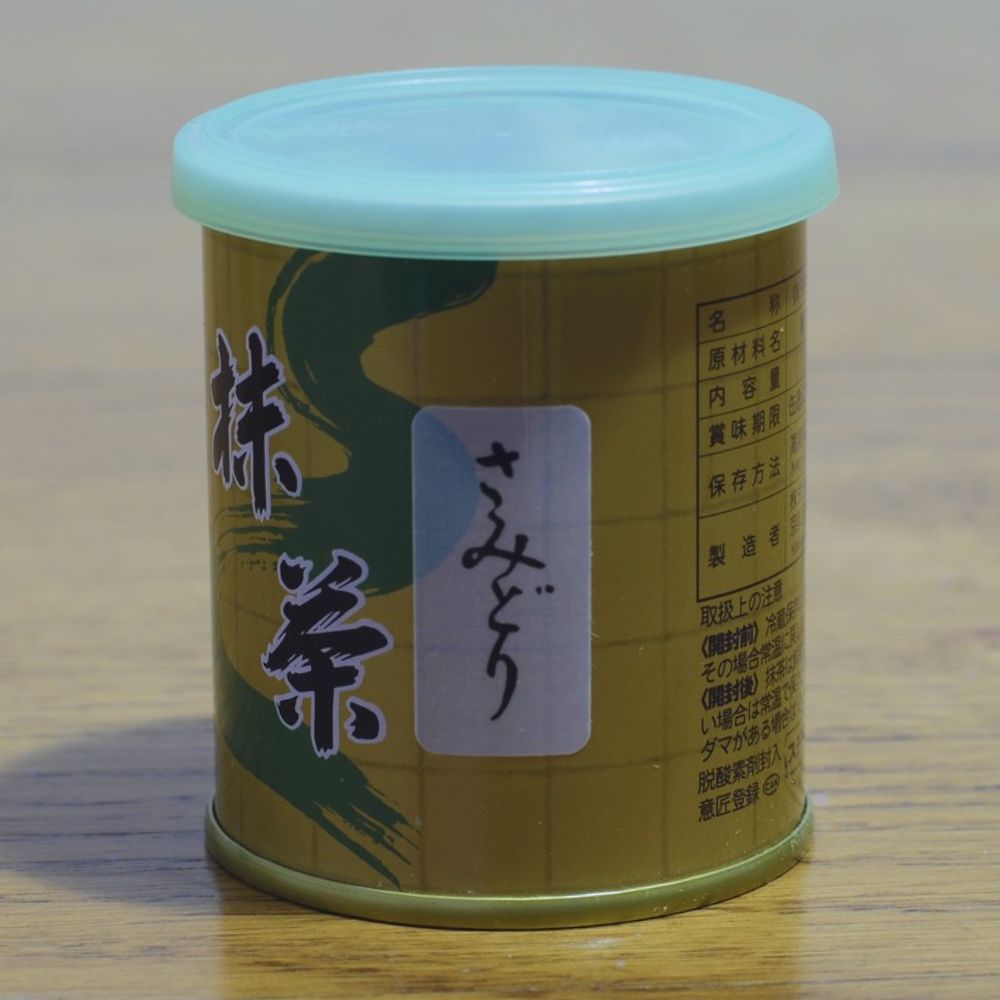
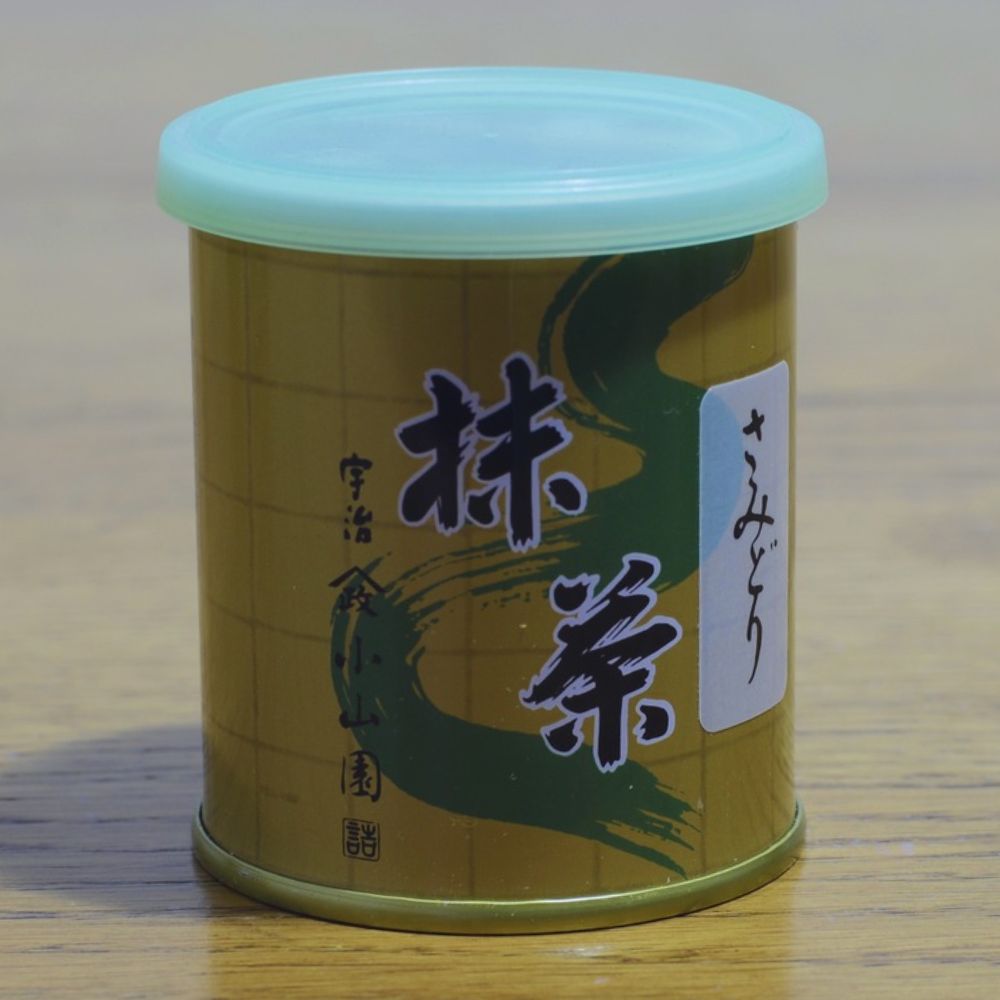
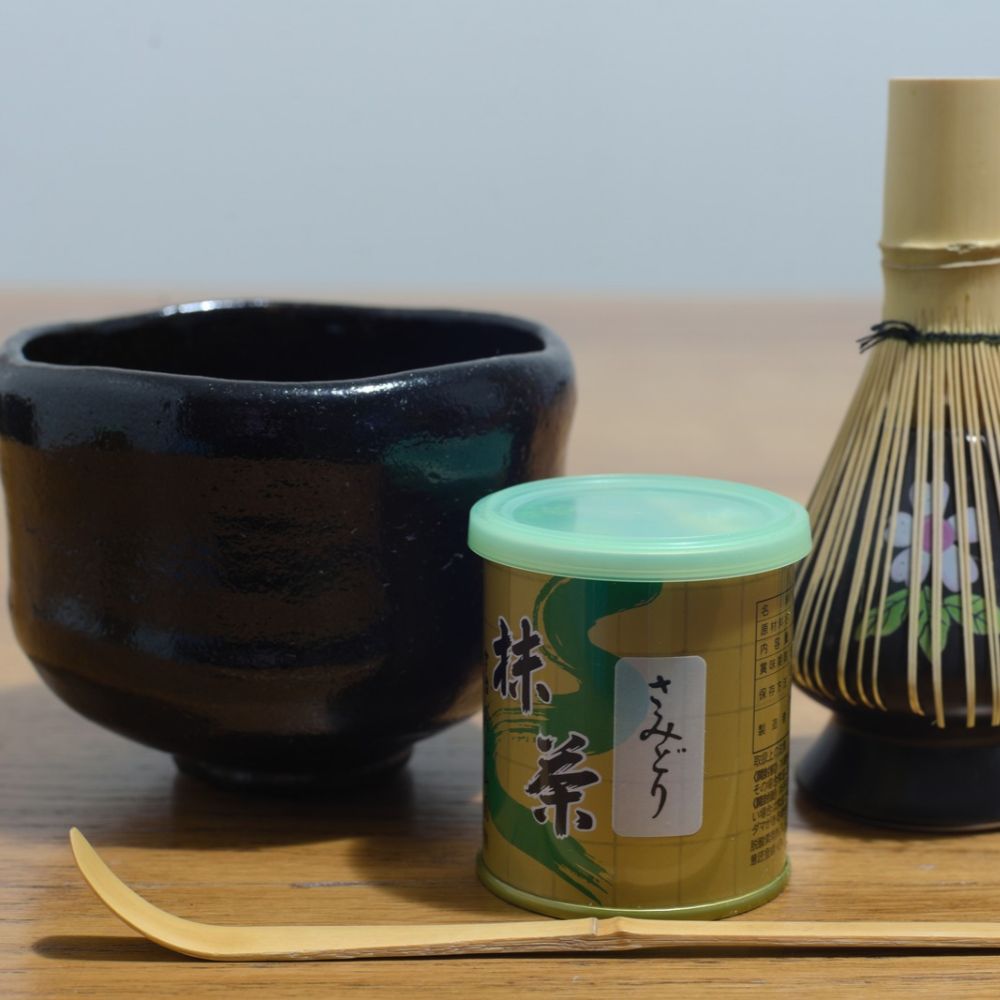
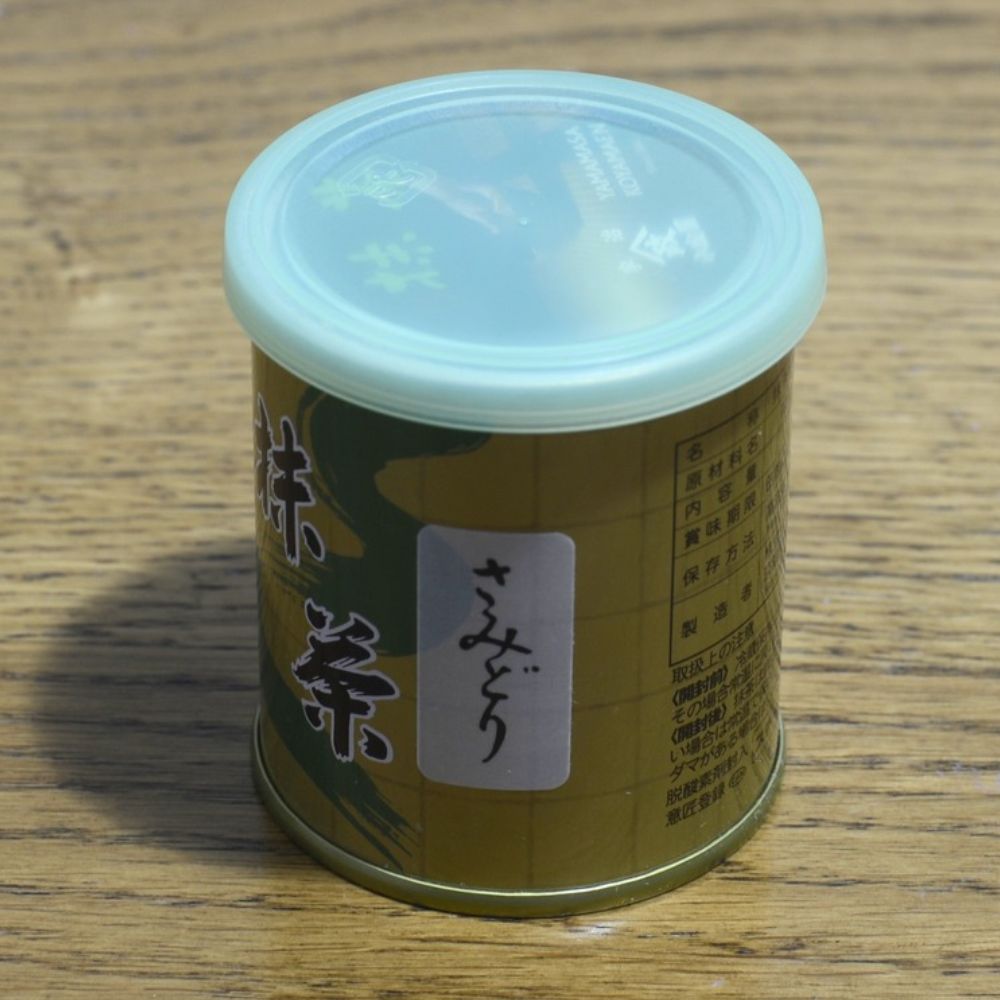
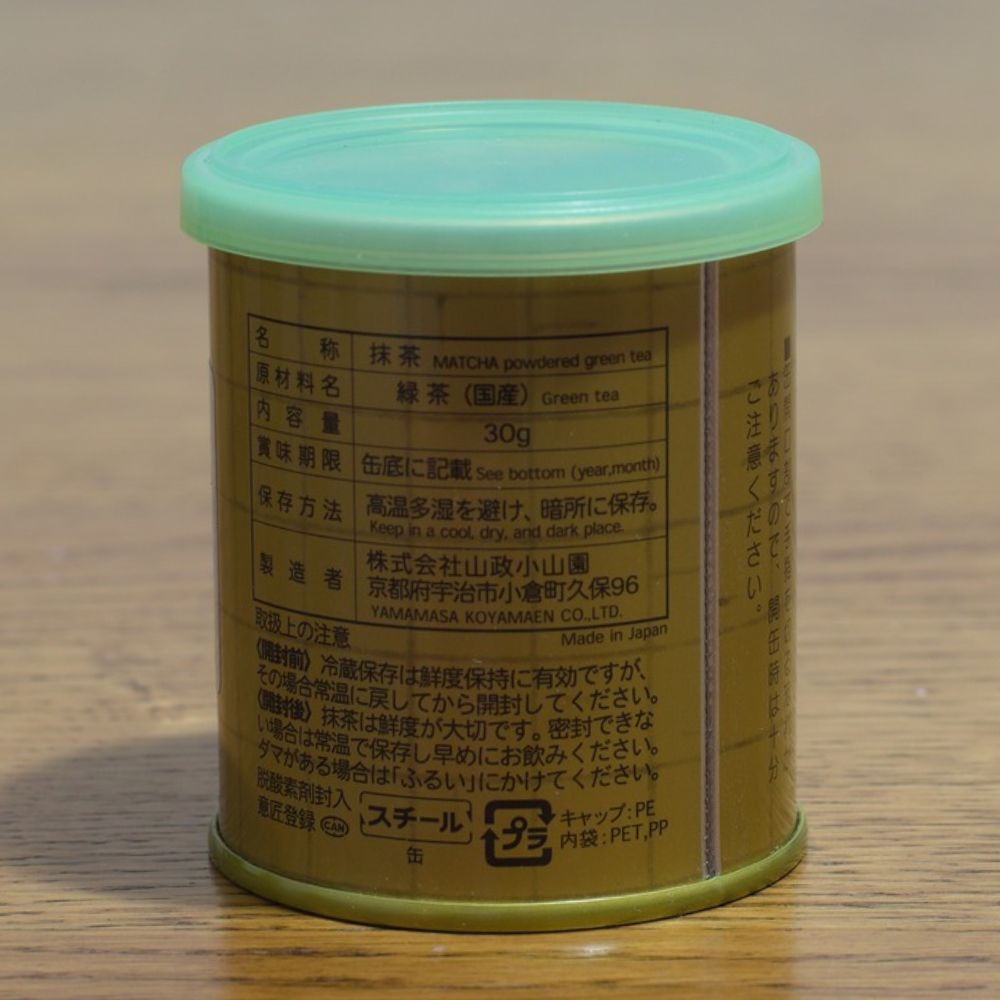
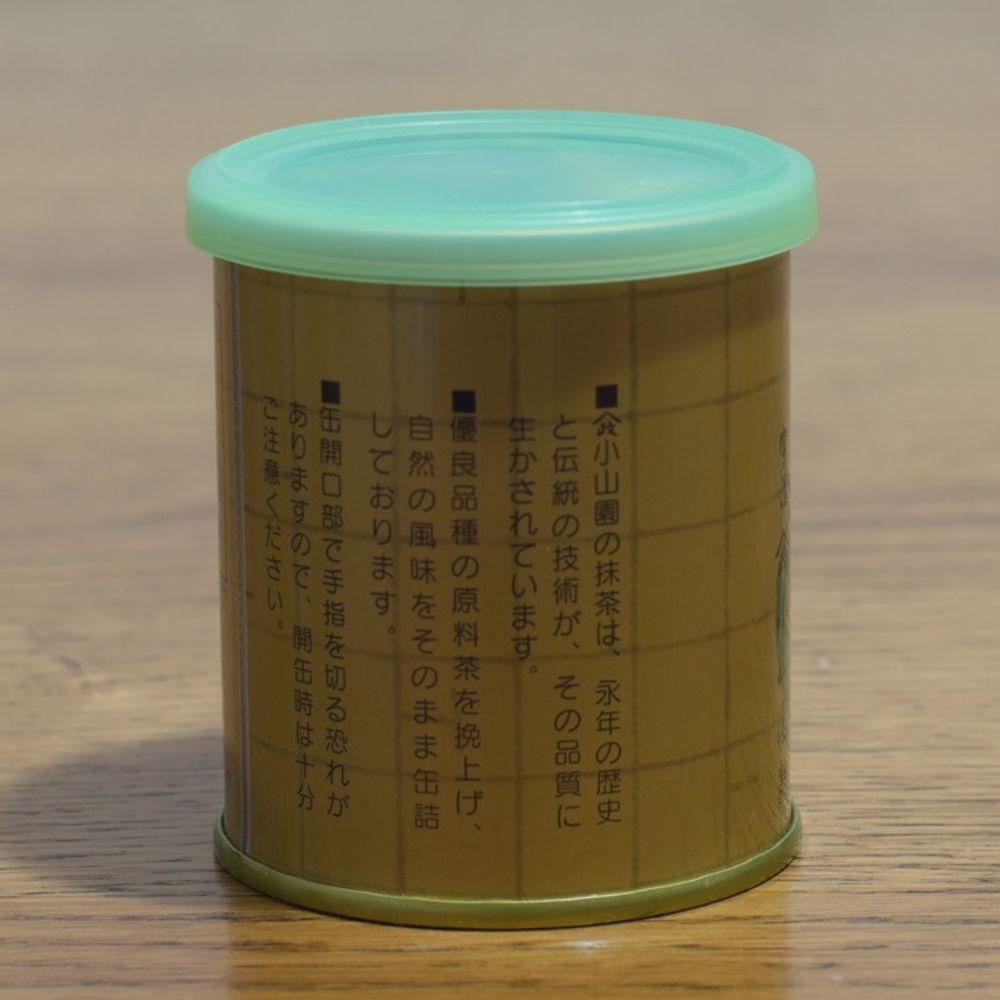
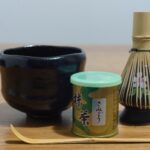
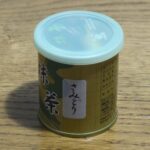
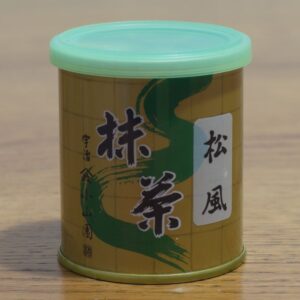
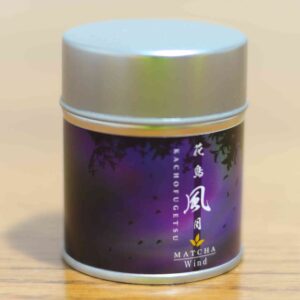
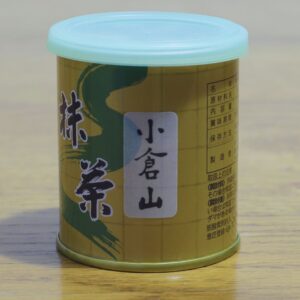
Yamamasa Koyamaen Samidori Matcha
Samidori is an everyday drinking matcha from Yamamasa Koyamaen, a historic tea producer based in Uji, Kyoto.
Made from first-harvest tencha and stone-milled into matcha, Samidori offers a balanced combination of umami, creaminess, gentle sweetness and fresh green character.
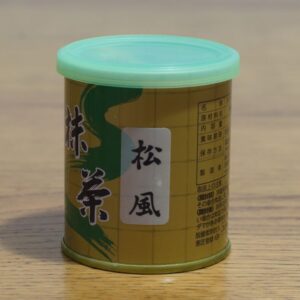
Compared with the bolder and more bitter Matsukaze, Samidori is a step toward a softer and more rounded bowl.
What does Samidori taste like?
Expect a balanced matcha rather than something aggressively bitter.
Creamy • Umami • Nutty • Fresh • Gently Sweet
Samidori has noticeable umami accompanied by a creamy mouthfeel, fresh green character and subtle natural sweetness. Mild astringency helps keep the bowl balanced.
It is a good choice if you want matcha with plenty of flavour but don’t want bitterness to dominate the experience.
A matcha with history
The name Samidori has an important connection to Yamamasa Koyamaen.
The Samidori tea cultivar was selected by Yamamasa Koyamaen’s third-generation head, Masajiro Koyama, and later became a recommended tea variety of Kyoto Prefecture.
Today, Samidori remains closely associated with Uji tea and is particularly valued for tencha, the tea leaves used to produce matcha.
This makes Samidori more than simply another name in Yamamasa Koyamaen’s range. It carries part of the producer’s own tea-growing history.
Is Samidori good for usucha?
Yes. This is one of the best ways to enjoy it.
Samidori’s combination of umami, creaminess, gentle sweetness and relatively mild bitterness makes it well suited to drinking straight.
For usucha, start with:
2g matcha
60–70ml water
75–80°C
Sift the matcha into your bowl, add water and whisk until evenly combined with a fine foam.
Try it without sweetener or milk first so you can experience the matcha itself.
Is Samidori good for matcha lattes?
Yes.
Samidori can also make an excellent matcha latte, particularly if you prefer a creamier and less bitter style.
Because its character is more balanced than Matsukaze, we recommend using a little less milk rather than drowning out the matcha.
Try:
2g Samidori
30–40ml water
80–100ml milk
For a larger latte, consider increasing the amount of matcha.
Samidori vs Matsukaze
Choosing between Yamamasa Koyamaen’s Matsukaze and Samidori?
Choose Matsukaze if you mainly make lattes and want a bolder matcha with more noticeable bitterness and toasted character.
Choose Samidori if you regularly drink matcha straight but still want something that works beautifully with milk.
Samidori is generally the softer, creamier and more umami-forward experience of the two.
Is Samidori suitable for koicha?
We primarily recommend Samidori for usucha and matcha lattes.
Although it is a traditional drinking matcha, Yamamasa Koyamaen offers higher grades better suited to drinkers looking for the richness and concentration associated with koicha.
First-harvest Japanese matcha
Samidori is produced from first-flush tencha and stone-milled into matcha.
The result is an accessible Japanese matcha that doesn’t have to be saved for a special occasion.
Whisk it straight in the morning, prepare it as part of your daily matcha ritual, or add milk when you feel like a latte.
Made by Yamamasa Koyamaen in Uji, Kyoto, Japan.
FAQs
What is Yamamasa Koyamaen Samidori?
Samidori is a first-harvest Japanese matcha from Yamamasa Koyamaen in Uji, Kyoto. It has a creamy, umami-rich character with gentle sweetness, fresh green notes and mild astringency.
What does Samidori matcha taste like?
Samidori has a balanced flavour with umami, creaminess, nuttiness, fresh green notes and gentle natural sweetness. Its bitterness is generally less dominant than the bolder Matsukaze.
Is Yamamasa Koyamaen Samidori first harvest?
Yes. Yamamasa Koyamaen describes Samidori as being produced from first-flush tencha before being stone-milled into matcha.
Is Samidori good for usucha?
Yes. Usucha is one of our recommended ways to enjoy Samidori. Try approximately 2g of matcha with 60–70ml of water at around 75–80°C.
Is Samidori good for matcha lattes?
Yes. Its creamy character, umami and gentle sweetness work well with milk. For a stronger latte, try 2g of Samidori with around 80–100ml of milk.
Is Samidori good for beginners?
Samidori can be a good starting point for someone wanting to explore drinking matcha straight. It has plenty of flavour while generally being gentler than more bitter everyday matcha.
What is the difference between Samidori and Matsukaze?
Matsukaze is bolder, more toasted and more noticeably bitter, making it particularly useful for lattes. Samidori is creamier, more umami-forward and gently sweet, making it especially good for straight usucha while still working with milk.
Is Samidori suitable for koicha?
We recommend Samidori primarily for usucha and matcha lattes. Yamamasa Koyamaen has higher-grade matcha better suited to people specifically looking to prepare koicha.
Is Samidori a cultivar?
Yes. Samidori is a Japanese tea cultivar with an important connection to Yamamasa Koyamaen. The cultivar was selected by Yamamasa Koyamaen’s third-generation head, Masajiro Koyama, and later became a Kyoto Prefecture recommended tea variety.
I would not, however, state that this product is “100% single-cultivar Samidori” unless Yamamasa confirms the exact blend composition.
Where is Yamamasa Koyamaen Samidori made?
It is made by Yamamasa Koyamaen in Uji, Kyoto, Japan.
How many servings are in a 30g tin?
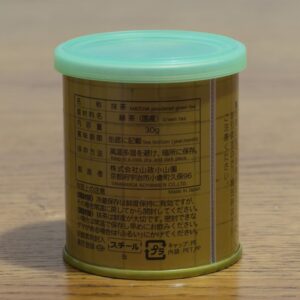
Using approximately 2g per serving, one 30g tin provides around 15 bowls of matcha.
Does Samidori contain additives?
No. The Yamamasa documentation supplied for your shipment identifies the products as 100% green tea, with no additives.
Reviews
There are no reviews yet.