
Traditional Matcha
Traditional matcha is for those moments when you want to taste the matcha itself.
Explore Japanese matcha selected for usucha, koicha and traditional preparation with water. From our own Ujiha collection to matcha from established Japanese tea producers, discover different cultivars, harvests and flavour profiles — each offering its own experience in the bowl.
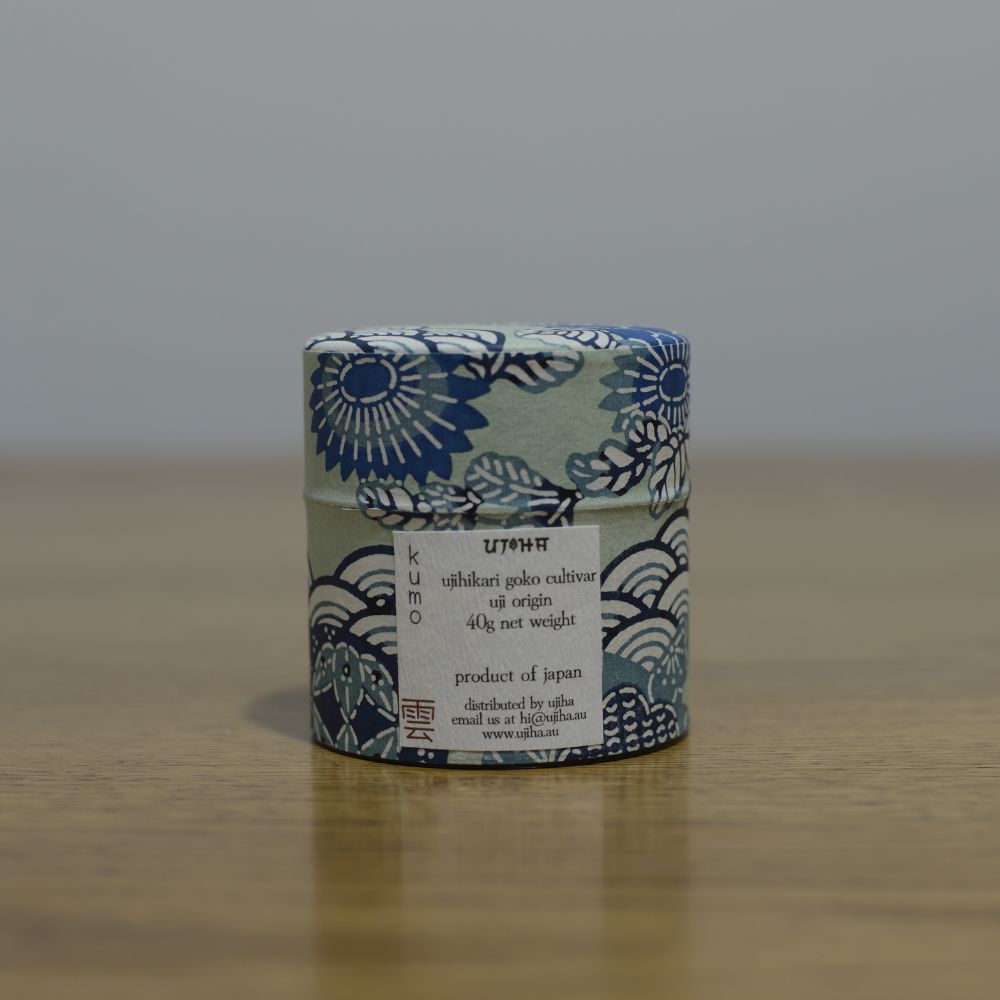
Showing 1–12 of 14 results
-
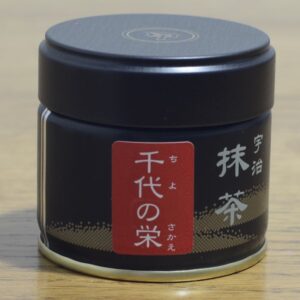
-
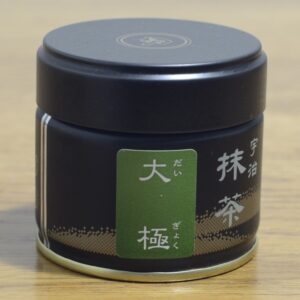
-
Price range: $29.99 through $39.99 Select options This product has multiple variants. The options may be chosen on the product page
-
-
-
-
-
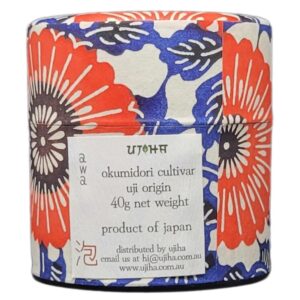
 Price range: $59.99 through $69.99 Select options This product has multiple variants. The options may be chosen on the product page
 -
 Price range: $59.99 through $69.99 Select options This product has multiple variants. The options may be chosen on the product page
 -
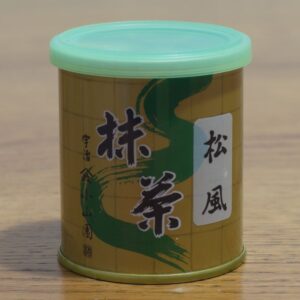
-
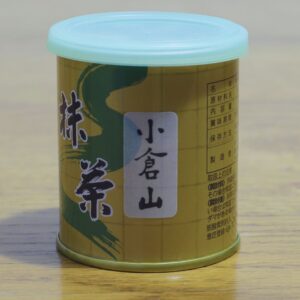
-
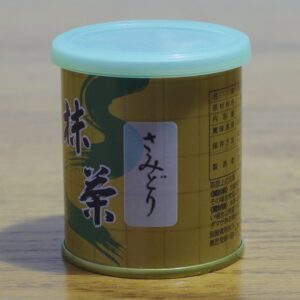
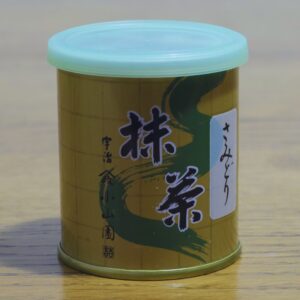
Showing 1–12 of 14 results
Traditional Japanese Matcha
Traditional matcha is one of the simplest ways to experience what makes Japanese matcha so interesting.
Matcha powder. Water. A whisk.
With no milk or sweetener to soften the flavour, you can experience the character of the tea more clearly — its sweetness, umami, aroma, bitterness, texture and finish.
That doesn’t mean traditional matcha has to be complicated. You don’t need to be a tea expert or follow a formal tea ceremony to enjoy it.
You just need matcha you enjoy drinking and a way to prepare it.
Matcha for Usucha
Usucha, meaning “thin tea”, is one of the most common traditional ways to drink matcha.
The matcha is whisked with water to create a light, smooth bowl that allows the flavour of the tea to take centre stage.
Different matchas can produce very different experiences.
Some are sweet and creamy.
Some have deep umami.
Others are fresh, vegetal, nutty or slightly more bitter.
If you’re new to drinking matcha with water, usucha is a great place to start.
Matcha for Koicha
Koicha, or “thick tea”, uses considerably more matcha and less water than usucha.
Instead of being rapidly whisked into a light foam, the matcha is slowly mixed into a thick, concentrated consistency.
Because koicha is so concentrated, the character of the matcha becomes much more intense. Matcha with strong bitterness or astringency can become overwhelming when prepared this way.
For this reason, not every matcha in this category will necessarily be our first choice for koicha. Check the individual product description to see how we recommend preparing each tea.
Different Producers. Different Matcha.
There is no single flavour that defines great matcha.
Cultivar, harvest, growing conditions, shading, processing, blending and the decisions of the producer can all influence what eventually reaches your bowl.
That’s why this collection isn’t about finding one matcha and declaring it the best.
It’s about exploring the differences.
Our Traditional Matcha collection can include matcha from the Ujiha range alongside selections from Japanese tea producers, each chosen for what it brings to the cup.
Some may be organic.
Some may be single cultivar.
Some may be blended.
Some may be first harvest.
What matters here is that the matcha is enjoyable when the tea itself is allowed to take centre stage.
How to Choose Traditional Matcha
If you’re just beginning, start with a matcha described as smooth, balanced and approachable.
If you already drink usucha regularly, explore different cultivars and producers. You may begin noticing differences in sweetness, umami, aroma, texture and finish that aren’t obvious when matcha is mixed with milk.
And if you’re looking for matcha specifically for koicha, choose one that we recommend for concentrated preparation.
There isn’t one correct matcha for everyone.
Your palate decides.
How to Prepare Traditional Matcha
For a simple bowl of usucha, start with around 2 grams of matcha.
Sift it into your bowl, add roughly 60 to 80 ml of water at around 70 to 80°C, then whisk briskly with a bamboo chasen until the matcha is evenly suspended and a fine foam develops.
From there, experiment.
Use a little more matcha for greater intensity. Add more water for a lighter bowl. Try a slightly lower water temperature if you want to soften bitterness.
The goal isn’t to chase one perfect recipe.
It’s to find the preparation that makes your matcha taste best to you.
Matcha Doesn’t Have to Be Traditional
We love drinking matcha with water, but it isn’t the only way to enjoy it.
If you prefer your matcha over milk and ice, that’s matcha too.
Some teas in our store are particularly well suited to lattes, where a stronger flavour can remain present alongside milk.
Traditional matcha is simply a different experience — one where there is very little between you and the tea.
Explore the collection above and find the bowl that suits you.