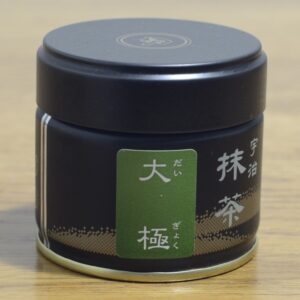
Matcha in Australia has changed.
A few years ago, many Australians first encountered matcha as a bright green café latte. Today, people are paying more attention to what is actually inside the cup.
Who produced it? Where in Japan was it grown? Is it organic? What cultivar was used? Is it better with milk or water? And what does “ceremonial grade” actually tell you?
At Ujiha, we’ve watched this change while building our own matcha range and sourcing matcha from Japanese tea producers for Australian drinkers.
And one thing has become increasingly clear.
There isn’t one right way to enjoy matcha.
Some people want a creamy iced matcha latte. Others want to whisk 2 grams with water and explore the flavour of the tea itself. Some care deeply about cultivars and harvests. Others simply want their morning matcha to taste good.
We think there’s room for all of them.
Matcha Has Moved Beyond the Trend
Matcha isn’t difficult to find in Australia anymore.
You’ll see matcha lattes in cafés, bottled drinks, desserts, bakeries and increasingly in people’s kitchens at home.
But wider availability doesn’t necessarily make choosing matcha easier.
Two tins labelled “matcha” can taste completely different.
The cultivar, growing conditions, harvest, shading, processing, storage and decisions made by the producer can all influence what eventually reaches your bowl or latte.
Even familiar marketing terms such as “ceremonial grade” don’t tell the whole story. Ceremonial grade is not an official regulated Japanese grading standard.
That’s why we think the Australian matcha conversation should move beyond simply asking:
“Is this ceremonial grade?”
A better question is:
“What is this matcha, and will I enjoy drinking it?”
From Matcha Lattes to Usucha
For many Australians, the matcha latte is the gateway.
And that’s perfectly fine.
Milk changes the experience of matcha. It can soften bitterness and astringency while changing how sweetness, umami and vegetal flavours come through.
Some matchas have enough character to remain prominent through milk. Others have delicate qualities that are easier to notice when the tea is prepared simply with water.
Traditionally, high-quality matcha is often appreciated as usucha or koicha. Drinking it with water allows you to experience the tea without milk covering some of its subtler characteristics.
But we’re not interested in telling someone that they’re drinking their matcha incorrectly.
If you buy a beautiful first-harvest matcha and discover that you love it over ice and oat milk, enjoy it.
We can tell you about the tea, where it came from and how we think it performs best.
You decide how to drink it.
Australians Are Learning That Matcha Isn’t Just One Thing
One of the most interesting parts of exploring Japanese matcha is discovering how much variety exists.
Matcha can be creamy and mellow.
It can have deep umami.
It can be fresh and vegetal.
You might find nutty, marine or savoury characteristics. Some teas have noticeable bitterness or astringency, while others can be remarkably soft when prepared well.
Cultivars such as Okumidori, Samidori, Gokou and Yabukita can offer different experiences. Producers also make their own decisions about cultivation, processing and blending.
And blending shouldn’t automatically be seen as a negative.
Japanese tea producers can intentionally blend teas to create balance, consistency and a particular flavour profile. A single-cultivar matcha isn’t automatically better than a blend, just as an organic matcha isn’t automatically better than a conventionally grown one.
The interesting part is discovering the differences.
Organic Matcha Is Part of the Australian Market Too
Organic matcha remains important to us because it was a major part of how Ujiha began.
Our own Ujiha Collection includes matcha from Nakai Organic Tea Garden in Wazuka, Kyoto, a family-run producer specialising in organic tea cultivation since 1986.
But organic certification is not a quality grade.
It tells you about the way the tea was grown and certified. It doesn’t automatically tell you whether you’ll prefer its flavour.
That’s an important distinction.
Today, Ujiha can offer organic matcha while also exploring matcha from other Japanese tea producers using different approaches.
We don’t believe one has to invalidate the other.
Ujiha Is Changing Too
When Ujiha began, our focus was much narrower.
We were searching for organic Japanese matcha that we genuinely enjoyed drinking. That search eventually led us to Nakai Organic Tea Garden in Wazuka and became the foundation of our own Ujiha matcha collection.
But the more matcha we tasted, the more interested we became in the differences between producers.
Different cultivars.
Different regions.
Different growing methods.
Different approaches to blending and production.
Different ideas about what a great bowl of matcha should taste like.
So Ujiha is growing beyond being simply one range of matcha.
We’re building an Australian destination where you can discover our own matcha alongside matcha from established Japanese tea producers.
The goal isn’t to have the biggest catalogue.
It’s to make good Japanese matcha easier to discover and enjoy in Australia.
Knowing What You’re Buying
As Australia’s interest in matcha grows, we think transparency becomes more important, not less.
Where information is available to us, we want to tell you things such as the producer, origin, cultivar, harvest, growing method and how we recommend preparing the matcha.
You shouldn’t have to rely entirely on words such as “premium,” “supreme” or “ceremonial.”
Those words can sound impressive, but they don’t necessarily tell you much about what’s actually inside the tin.
Knowing that a matcha comes from a particular producer, cultivar or region gives you something much more useful.
It also means that over time you can learn what you like.
Maybe you discover that you keep coming back to Okumidori.
Maybe you prefer blends.
Maybe organic matters to you.
Maybe you want something rich enough for an iced latte.
Or perhaps you eventually find yourself drinking matcha with nothing but water.
That’s the fun part.
What Does the Future of Matcha in Australia Look Like?
We don’t think Australia’s matcha story is simply about replacing coffee with something green.
It’s about Australian drinkers becoming more curious about the tea itself.
The latte drinker who starts wondering why one matcha tastes better than another.
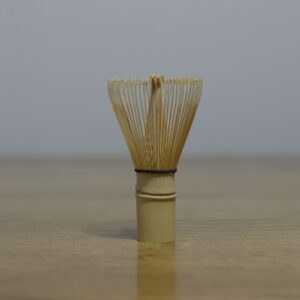
The beginner who buys their first bamboo whisk.
The person who has always used milk but tries their favourite matcha as usucha for the first time.
And the enthusiast comparing cultivars and producers in the same way someone else might explore coffee origins or wine varieties.
That’s the matcha culture we’d like to see grow here.
Not one where everyone has to prepare matcha the same way.
One where people understand a little more about what they’re drinking and have access to Japanese matcha worth exploring.
Find the Matcha You Enjoy
If you’re new to matcha, you don’t need to start with the most expensive tin.
Start with how you actually want to drink it.
If you love iced matcha lattes, explore our Matcha for Lattes collection.
If you want to experience matcha with water, explore our Traditional Matcha collection.
If certified organic production matters to you, explore our Organic Matcha collection.
And if you don’t know yet, that’s fine too.
Try different matchas. Try milk. Try water. Change the temperature. Use a little more or a little less powder.
Eventually you’ll work out what tastes right to you.
Japanese matcha, carefully selected. Enjoy it your way.