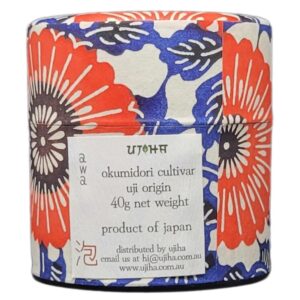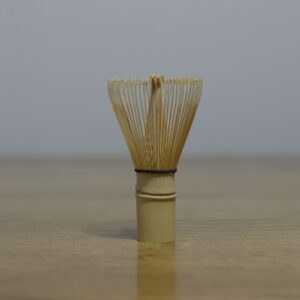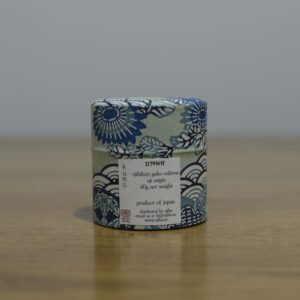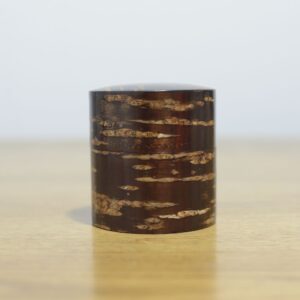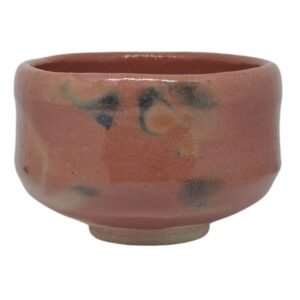
Ceremonial grade matcha is the highest quality matcha intended to be enjoyed with water, traditionally as usucha (thin tea). It is made from carefully selected young tea leaves and is prized for its smooth texture, vibrant green colour, natural sweetness, and rich umami.
If you are new to matcha, you have probably seen terms like “ceremonial grade,” “premium grade,” and even “Grade A matcha.” It can be confusing because there is no official grading system in Japan. Different brands use different terms.
In this guide, we’ll explain what ceremonial grade matcha really means, what makes it different, whether it is worth the higher price, and how to choose the best ceremonial matcha for drinking straight.
What Does Ceremonial Grade Mean?
Ceremonial grade matcha refers to matcha that is suitable for drinking with water rather than mixing into recipes.
Traditionally, high-quality matcha was used during Japanese tea ceremonies. Over time, the term “ceremonial grade” became associated with the finest matcha available.
Although Japan does not officially regulate the term, most ceremonial grade matcha shares several characteristics:
- Made from young leaves.
- Usually harvested during the first flush.
- Bright green in colour.
- Smooth and fine texture.
- Rich in sweetness and umami.
- Low bitterness.
Simply put, ceremonial grade matcha is matcha made to be enjoyed on its own.
What Makes Matcha Ceremonial Grade?
Several factors determine whether a matcha is suitable for ceremonial use.
First Harvest Leaves
Many ceremonial matcha products are made from the first harvest, also called ichibancha.
The first harvest produces tender leaves that contain more amino acids and less bitterness than later harvests.
Shade Growing
Tea plants used for matcha are shaded before harvest. This increases chlorophyll and L-theanine levels while helping create the deep green colour and rich flavour that people associate with good matcha.
Young Leaves
The youngest leaves are softer and naturally sweeter. Lower grades may contain older leaves that produce stronger bitterness.
Fine Texture
Good ceremonial matcha should feel silky and smooth. The powder should almost feel like baby powder between your fingers.
Vibrant Green Colour
Fresh ceremonial grade matcha should appear bright green rather than dull, brownish, or yellow-green.
Balanced Flavour
Perhaps the most important factor is flavour. High-quality ceremonial matcha offers:
- Natural sweetness.
- Rich umami.
- Creamy mouthfeel.
- Mild vegetal notes.
- Minimal bitterness.
These qualities are why ceremonial grade matcha is traditionally used for usucha.
Why Is Ceremonial Grade Matcha Better?
Ceremonial grade matcha is considered better because it is designed for drinking straight.
Lower grades often work perfectly for smoothies, baking, or large milk drinks, but when consumed with water alone, their bitterness becomes much more noticeable.
Ceremonial matcha generally contains:
- More amino acids.
- Less bitterness.
- Smoother texture.
- Better aroma.
- Richer umami.
For people who enjoy traditional usucha, these differences are easy to notice.
Does Ceremonial Grade Matcha Taste Better?
For drinking straight, most people would say yes.
Ceremonial grade matcha often has:
- Sweetness.
- Creaminess.
- Fresh grassy notes.
- Seaweed-like umami.
- A smooth finish.
Good ceremonial matcha should not taste harsh or unpleasant.
However, taste is subjective. Some people prefer stronger flavours or mainly drink matcha lattes. In those situations, a less expensive grade may work perfectly well.
The biggest difference becomes obvious when you prepare matcha with only water. Higher quality matcha usually tastes smoother and more balanced.
Is Ceremonial Grade Matcha the Best?
It depends on how you use it.
For traditional usucha, ceremonial grade matcha is generally the best choice.
For baking, desserts, or large milk-based drinks, using expensive ceremonial matcha may not always make sense.
Think of it this way:
Best for drinking straight
✔ Ceremonial grade.
Best for baking
✔ Culinary grade.
Best for smoothies
✔ Culinary or premium grade.
Best for traditional Japanese tea preparation
✔ Ceremonial grade.
So while ceremonial grade is often the highest quality, “best” always depends on the intended use.
Premium vs Ceremonial Grade Matcha
One of the most confusing terms in the matcha world is “premium grade.”
Unlike ceremonial grade, the word “premium” has no universal definition. One company’s premium matcha may actually be better than another company’s ceremonial matcha.
Generally speaking:
Ceremonial Grade Matcha
- Intended for drinking straight.
- Smooth and low in bitterness.
- Rich in umami and sweetness.
- Usually made from younger leaves.
Premium Matcha
- Often positioned between culinary and ceremonial grades.
- Suitable for lattes and everyday drinking.
- Can vary greatly between brands.
Because there is no official grading authority, it’s better to judge matcha by:
- Origin.
- Harvest season.
- Colour.
- Aroma.
- Taste.
- Transparency from the brand.
Grade A Matcha vs Ceremonial Matcha
“Grade A Matcha” is largely a marketing term.
Japan does not classify matcha using letters like Grade A, Grade B, or Grade C.
Instead of focusing on labels, look for:
- Japanese origin.
- First harvest leaves.
- Vibrant green colour.
- Fine texture.
- Fresh aroma.
- Information about the farm or region.
In many cases, “Grade A Matcha” and “Ceremonial Grade Matcha” are simply different names used by brands.
Is Ceremonial Grade Matcha Worth It?
For many people, yes.
Ceremonial grade matcha costs more because producing high-quality matcha requires:
- Shade growing.
- Careful harvesting.
- Removal of stems and veins.
- Slow grinding.
- Higher quality raw material.
If you mainly drink usucha, the difference in flavour is usually worth the extra cost.
However, if you:
- Add lots of milk.
- Mix matcha into smoothies.
- Use it for baking.
Then spending extra on ceremonial grade may not provide much benefit.
Ceremonial grade is worth it if:
✔ You drink matcha with water.
✔ You enjoy subtle flavours.
✔ You appreciate sweetness and umami.
✔ You want a traditional experience.
Why Is Ceremonial Grade Matcha So Expensive?
Several factors contribute to the higher price.
Labour Intensive Production
Growing matcha requires shading the plants for weeks before harvest.
Limited Yield
Only certain leaves are suitable for premium matcha.
Grinding Process
Traditional stone grinding is slow and produces very small quantities.
High Demand
Global demand for Japanese matcha continues to increase while production remains limited.
When you buy ceremonial grade matcha, you’re paying for craftsmanship, not just powder.
How Much Does Ceremonial Grade Matcha Cost?
Prices vary greatly depending on origin, cultivar, and quality.
In Australia, typical prices are:
Entry-Level Japanese Matcha
$20–30 per tin.
Good Ceremonial Grade Matcha
$30–60 per tin.
Ultra-Premium Matcha
$70–150+ per tin.
Very cheap matcha marketed as “ceremonial grade” should be approached carefully. Quality matcha requires significant work and rarely costs only a few dollars.
Best Ceremonial Grade Matcha
There is no single “best” ceremonial grade matcha because taste preferences differ.
Some people prefer:
- Strong umami.
- More sweetness.
- Creamy mouthfeel.
- Delicate floral notes.
- Mild vegetal flavours.
The best ceremonial grade matcha is the one that suits your taste and encourages you to enjoy matcha regularly.
When choosing a matcha, consider:
Japanese Origin
Regions such as Uji and Kyoto have long histories of matcha production.
First Harvest Leaves
Often associated with sweeter flavour.
Colour
Bright green generally indicates freshness.
Aroma
Fresh matcha should smell clean and pleasant.
Transparency
Brands that openly discuss sourcing and quality tend to inspire greater confidence.
Frequently Asked Questions
Does ceremonial grade matcha contain caffeine?
Yes.
A serving of ceremonial grade matcha contains caffeine, but because it also contains L-theanine, many people describe the energy as smoother than coffee.
Can ceremonial grade matcha be used for lattes?
Yes.
However, many matcha drinkers prefer enjoying ceremonial grade matcha with water to appreciate its flavour fully.
Can ceremonial grade matcha be used for baking?
Yes, but it may not be the most economical choice.
Lower grades often work perfectly well for baking.
Does ceremonial grade matcha expire?
Matcha slowly loses freshness over time.
For the best flavour, consume opened matcha within one to two months.
How should ceremonial grade matcha be stored?
Store matcha:
- Away from heat.
- Away from direct sunlight.
- In an airtight container.
- In a cool environment.
Proper storage helps preserve colour, aroma, and flavour.
Conclusion
Ceremonial grade matcha represents the highest level of matcha intended for drinking straight.
Its smooth texture, natural sweetness, rich umami, and vibrant green colour make it the preferred choice for traditional usucha preparation.
While not every situation requires ceremonial grade matcha, those who appreciate matcha in its pure form often find the difference easy to taste.
Ultimately, ceremonial grade matcha is not simply about prestige. It is about experiencing matcha the way generations of tea drinkers in Japan have enjoyed it for centuries — slowly, mindfully, and with appreciation for the craft behind every bowl.